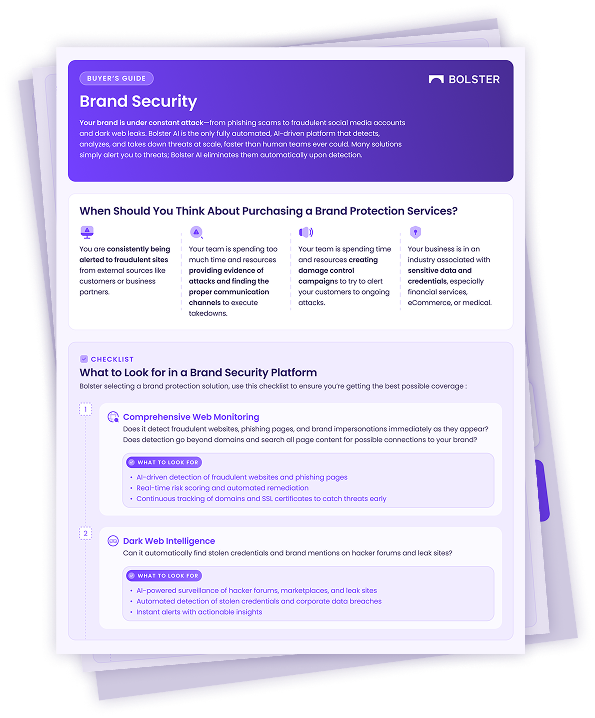
Domain protection refers to the strategies and measures taken to secure your digital assets, specifically your domain names. It involves safeguarding these valuable online addresses from unauthorized access or misuse. Accredited registrars, DNS monitoring, and data encryption are some of the key components of domain protection.
Maintaining accurate contact information associated with your domains is a key piece. This includes keeping an up-to-date address on file to receive important notifications regarding renewals or potential security breaches.
Common Threats to Domain Names
Domain hijacking and theft, DNS spoofing and cache poisoning, and typosquatting and cybersquatting are common threats to domain names.
Domain hijacking occurs when unauthorized individuals gain control of a domain by exploiting security vulnerabilities or stealing login credentials.
DNS spoofing involves manipulating the DNS system to redirect users to malicious websites, while typosquatting and cybersquatting involve registering domains that closely resemble popular brands or trademarks in order to deceive users or profit from their mistakes.
Domain Protection Strategies
Accredited professionals specializing in domain protection can help mitigate these risks by implementing robust security measures and regularly monitoring for any signs of compromise.
Typosquat Monitoring
Understanding typosquatting risks is crucial when it comes to domain protection. This deceptive tactic involves registering domain names that are similar to popular websites, with the intention of tricking users into visiting malicious sites.
Through utilizing domain monitoring tools, IT security professionals can stay one step ahead in identifying potential typosquatting attempts and take proactive measures to safeguard their digital assets. These tools provide real-time alerts and notifications, enabling prompt detection and effective addressing of any suspicious activities.
Choosing a Strong Registrar
Look for registrars with a proven track record of providing reliable services and protecting their clients’ domains from threats. Ensure that they have robust security protocols in place, such as encryption and firewalls, to safeguard your domain against unauthorized access.
Consider features like domain privacy protection or DNSSEC support that can enhance the security of your digital assets even further. Choose a registrar that provides comprehensive solutions to maximize domain protection.
Implementing Domain Locking
Domain locking is a security feature that prevents unauthorized transfers or modifications to your domain name. With a locked domain, you can protect your digital assets from being transferred without your consent and ensure their integrity and availability.
To implement domain locking, you need to work with your registrar. They will provide you with options to enable this feature within their management interface. Follow the registrar’s instructions carefully, ensuring that the correct settings are applied to secure your domain.
Enabling Two-Factor Authentication
Setting up two-factor authentication with your registrar adds an extra level of security to your domain management process, requiring users to provide a second form of verification before gaining access.
Regularly Monitoring DNS Records
To effectively monitor DNS records, utilize automated tools that provide real-time notifications for any modifications or discrepancies found. Regularly review logs and audit trails to ensure all changes are legitimate and authorized. Additionally, consider implementing robust access controls to limit the number of individuals who can make changes to the DNS settings, reducing the chances of unauthorized alterations being made without detection.
Recovering from Domain Attacks
Having a Backup Plan
Offsite backups can enhance the security of your data even further. This ensures that in the event of a disaster or cyberattack, you have a reliable backup to restore from. To ensure the effectiveness of your backup and recovery process, it’s essential to regularly test it and make any necessary adjustments.
Working with Law Enforcement
Establishing strong relationships with local law enforcement agencies is key to effective domain protection. In the event of an incident, providing necessary information and evidence to aid investigations will help law enforcement take appropriate action swiftly.
- Foster relationships with local law enforcement
- Report domain attacks or suspicious activities promptly
- Provide necessary information and evidence for investigations
Educating Employees and Users
Creating strong password policies for all user accounts adds an extra layer of protection against unauthorized access. Encouraging the use of long, complex passwords that are changed regularly reduces the risk of successful brute-force attacks.
Enforcing two-factor authentication provides enhanced account security by requiring users to verify their identity through a secondary means, such as a text message or biometric scan. This additional step minimizes the risk of unauthorized access even if passwords are compromised.
How Bolster Can Help
Bolster’s domain monitoring solutions and other defensive strategies will make sure your company has true domain security in place. Bolster balances domain acquisition with monitoring to reduce the likelihood of cyberattacks and manage security costs.
Additionally, Bolster will remain proactive and monitor the security threat landscape to keep your domain safeguarded. With Bolster’s help, your brand’s reputation will remain protected.
Request a demo of our domain monitoring software today, or start with a complimentary and customized Domain Risk Report to see what domain risks we detect for your organization.
Also checkout our community tool CheckPhish