
Key Takeaways:
- Security teams monitor social platforms to identify brand threats early
- Automated tools scan 14+ platforms for phishing, scams, and impersonation
- Process includes identification, verification, monitoring, and automated takedown notifications
- Protects against counterfeiting, insider threats, IP theft, and phishing attacks
- AI and ML enable real-time alerts across billions of users
Social media threat intelligence involves tracking conversations happening across various platforms. Security professionals analyze these discussions to extract relevant information about specific brands, issues, people, and products. This proactive approach helps them safeguard their organizations against various social media threats.
How Social Media Threat Intelligence Tools Work
Social media threat intelligence tools scan social media sites, websites, forums, blogs, and review platforms, indexing them for easy searching. Some platforms, like Twitter and Facebook, are crawled in real-time, while others are scanned less frequently based on their security relevance. Advanced tools relay real-time data to security teams, while some rely on data providers for updates.
Once the pages are indexed, relevant queries can be used to search for specific mentions. The results help security professionals understand current online discussions, allowing them to identify potential threats as they are born.
Key Processes in Social Media Threat Intelligence
1. Identification and Tracking involves monitoring social media feeds for critical mentions, planned actions, data leaks, doxxing, new exploits, and other online threats. Filtering online chatter helps discover credible information about potential cybersecurity events.
2. Verifying happens when flagged social media content is analyzed to create dashboards and reports. Key metrics, trends, risk insights, sentiment analysis, and action plans are derived from this data.
3. Monitoring involves watching flagged profiles closely and continuously. Any activity that requires attention triggers an alert to the responsible security parties for immediate action.
4. Notification and mitigation utilize alerts sent to security professionals about potential criminal activity. Actions may include initiating profile takedowns, filing complaints against threat profiles, and setting up defenses to protect assets.
Broad vs. Targeted Approaches
A targeted approach allows security professionals to sift through the noise and gather actionable intelligence for better protection.
With nearly six billion people using various social media platforms, the number of threat actors exploiting these channels is rising. The relatively anonymous nature of social media makes it challenging to identify these threats without specialized tools.
These tools are essential because they offer comprehensive coverage and immediate responses. Automated tools can monitor numerous platforms simultaneously, ensuring comprehensive coverage of potential threats. Then, by combining open-source intelligence tools with AI and ML, security teams can receive quick alerts and trigger response plans immediately.
Top Security Use Cases of Social Media Threat Intelligence
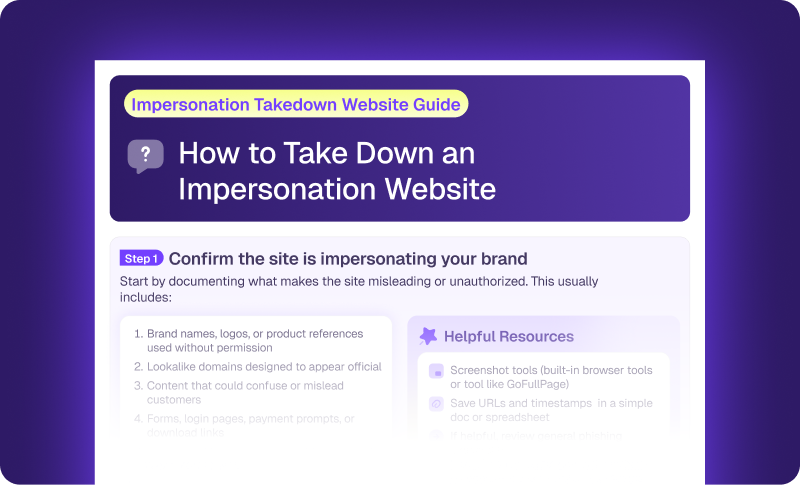
Counterfeiting and Brand Impersonation: Threat actors often spoof well-known brands to send false messages or misuse a brand’s name maliciously. Continuous monitoring can pre-emptively identify and address these threats.
Monitoring Insider Threats: Social media monitoring can reveal the intentions of disgruntled employees, allowing security teams to take pre-emptive action against potential insider threats.
Protecting Intellectual Property: Social media monitoring helps protect intangible assets, such as trademarks and proprietary information, from IP theft and misuse.
Mitigating Cybersecurity Threats Like Phishing: Phishing attacks often use social media to target victims. Continuous surveillance can help detect and prevent these attacks, protecting the brand’s reputation.
Crisis Response: A swift response to social media crises is crucial to contain potential damage. Automated queries can alert security teams to negative comments or complaints, allowing for quick action.
Bolster’s Role in Social Media Threat Intelligence
Bolster’s social media threat protection software monitors threats on 14 social media platforms. Using automation, Bolster’s tool operates around the clock, detecting and alerting you to malicious content like phishing, scams, and executive impersonation.